 ×
×
 ×
×
India's exclusive pathway to elite research-based global debate,
US Public Forum, Lincoln-Douglas, Policy Debate.Public Forum, LD, Policy.
Trains minds. Opens doors. Builds leaders.
No experience needed, every student has a pathway.
SDI × HDC Debate Experience · Grades 4-12
Join In-Person or Online
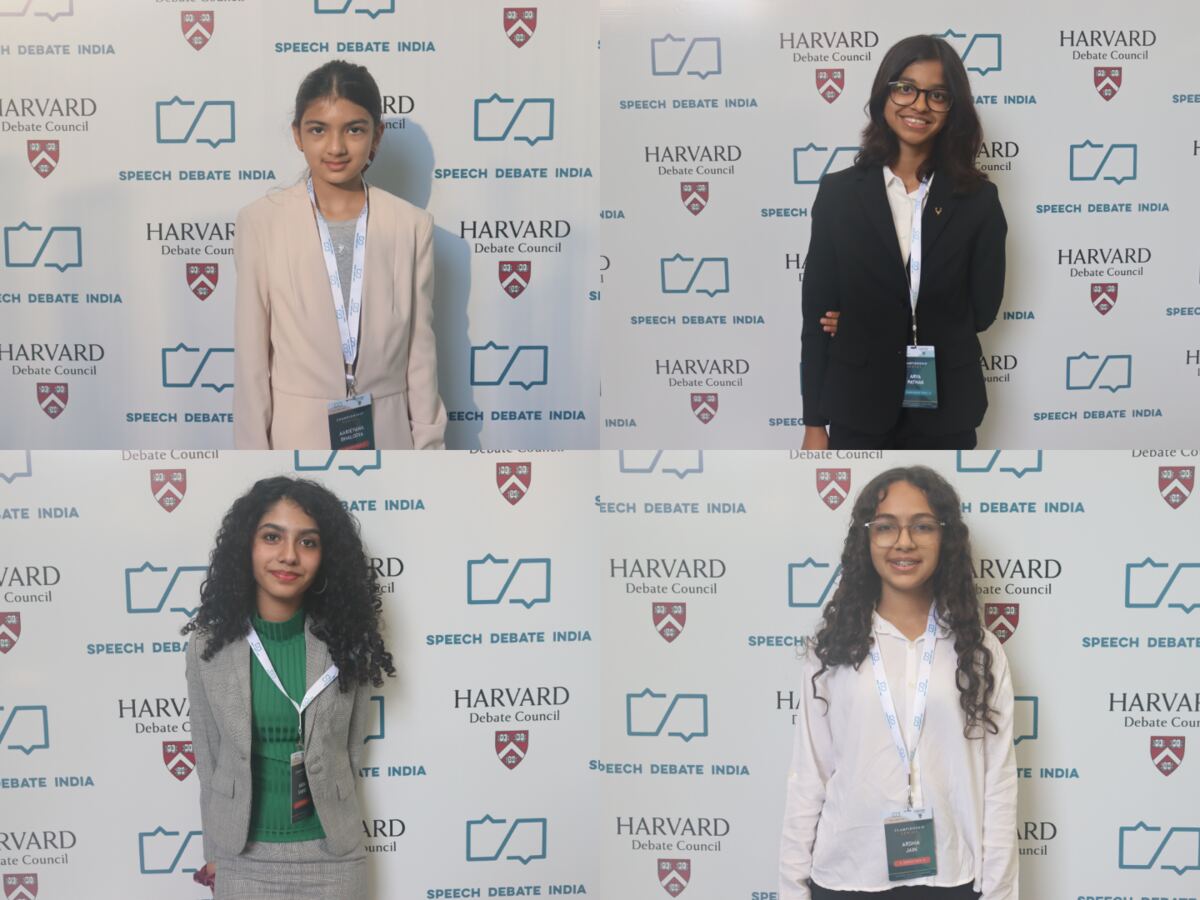
Students from India, Singapore, Hong Kong, UAE, UK, Canada, and USA join our events.
Participation in just 6 months of the SDI × HDC partnership:
Speech, debate, and elocution events are everywhere. What sets our experience apart from others is the #1 research-based format to sharpen young minds, unrivaled mentorship shaped by global experience, and a credential recognized where it matters most.
These are not soft skills, they are essential global academic requirements.
Research-based debate builds the exact skills these admissions officers look for: critical thinking, evidence-based reasoning, structured argumentation, and confident communication.
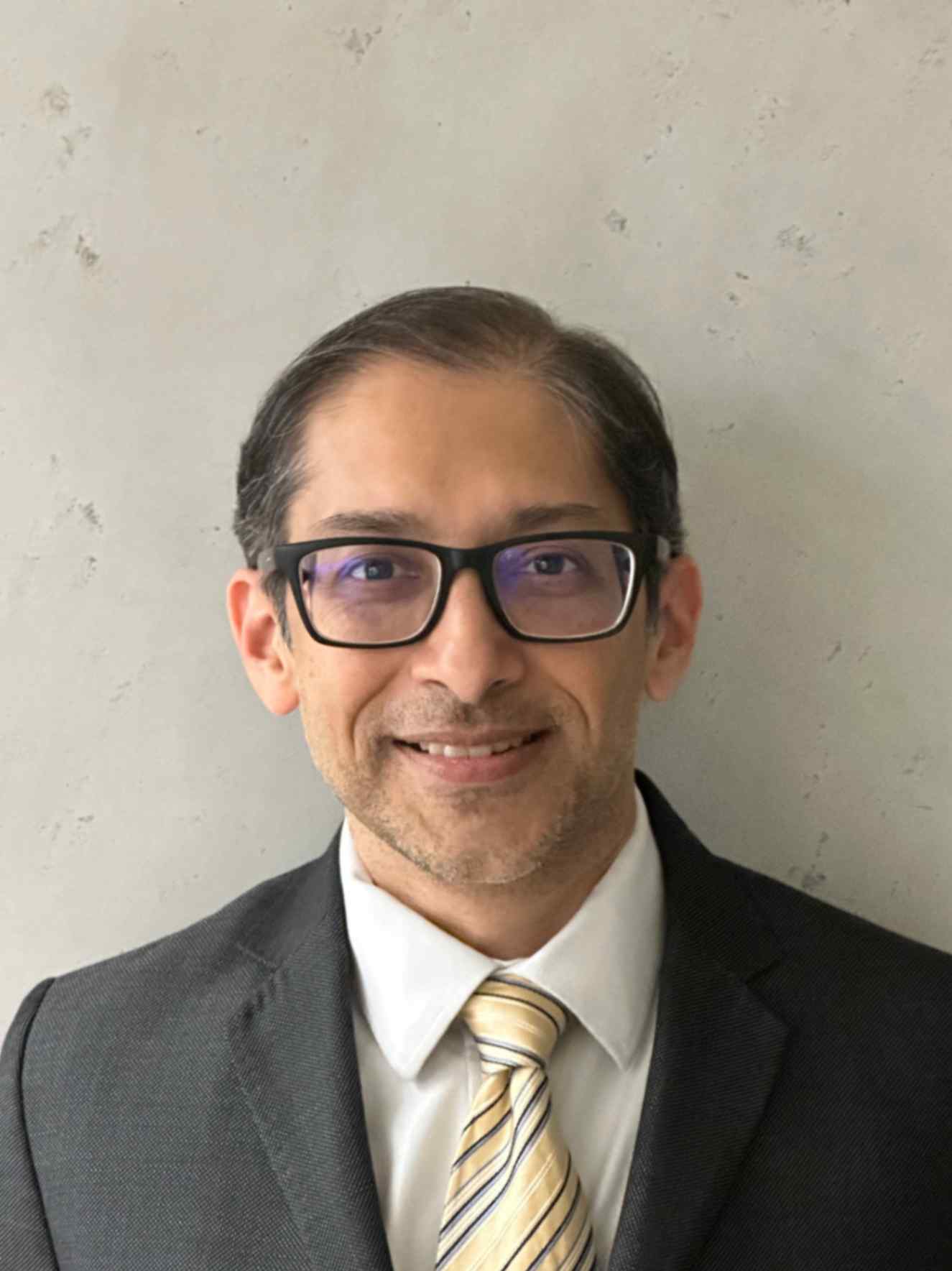
"US Debate truly changed my life.
Seven years ago, I brought that same opportunity to India, not just for confident speakers, but for quiet thinkers who never imagined themselves as debaters.
Research confirms that US evidence-based debate uniquely develops critical thinking, research, and communication skills, all at once.
Winning happens over time. The real victory is who each child becomes along the way."
Bringing together South Asia's #1 debate organization with Harvard's century-old tradition of intellectual excellence
Speech Debate India is South Asia’s unmatched #1 organization in global research-based debate tournaments. Led by 2x US State Debate Champion and Stanford University alumnus. With SDI’s pedagogy, 200+ unique students have won international awards.
Harvard Debate Council is a student organization of Harvard College. Founded in 1892, HDC represents over a century of intellectual excellence at the highest academic level. Globally recognized for shaping elite debaters and thinkers.
Registration is more than the tournament entry. It's a complete preparation pathway designed to set students up for long-term growth.
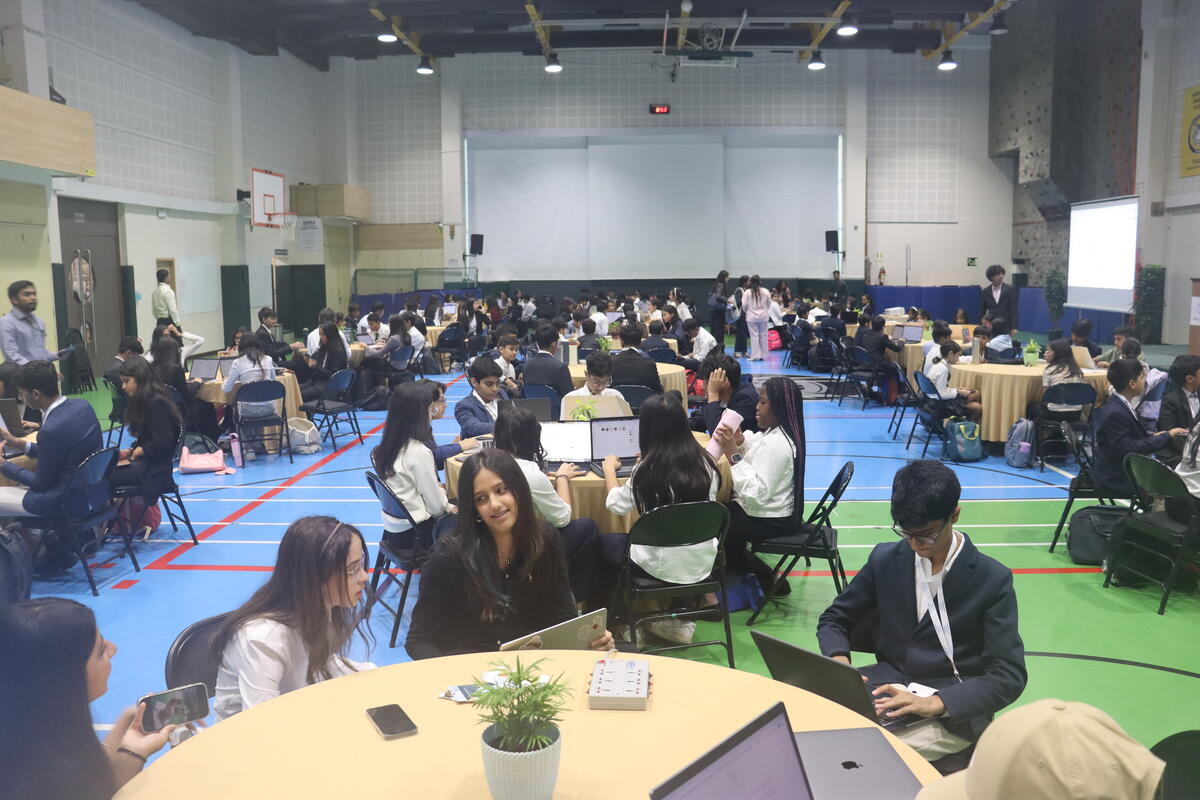
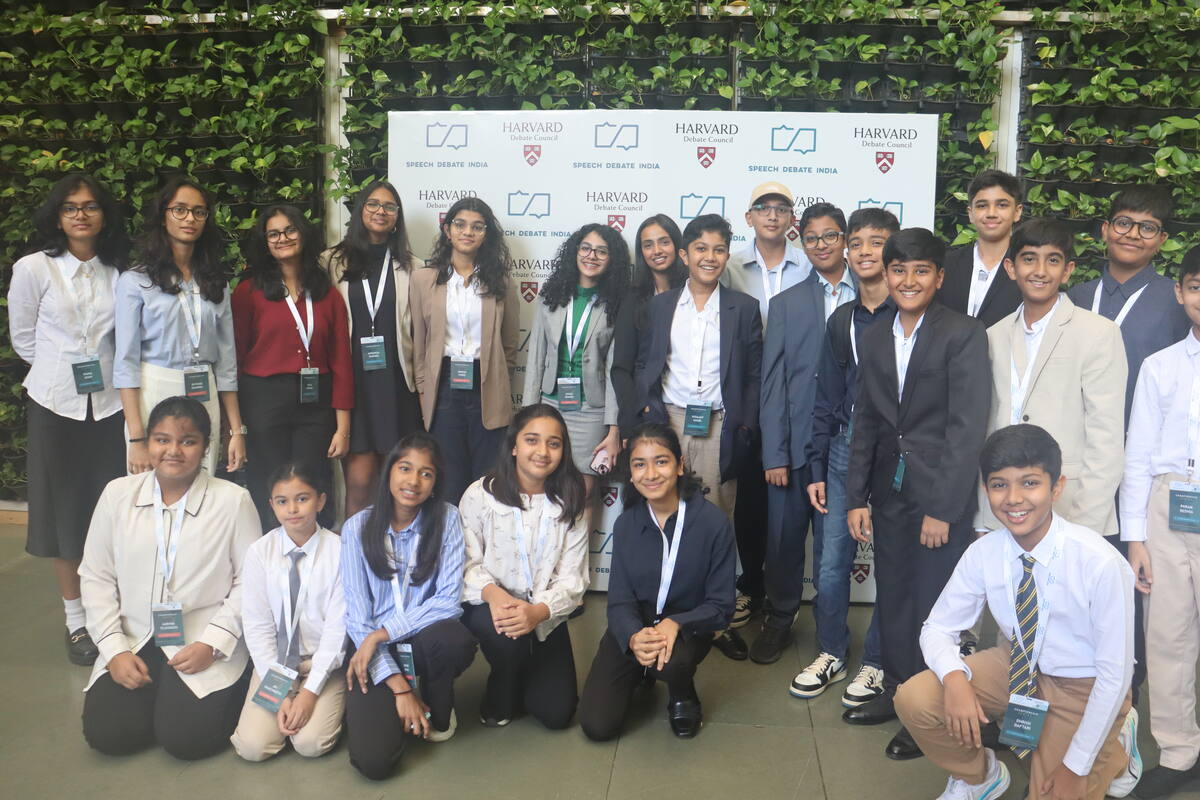
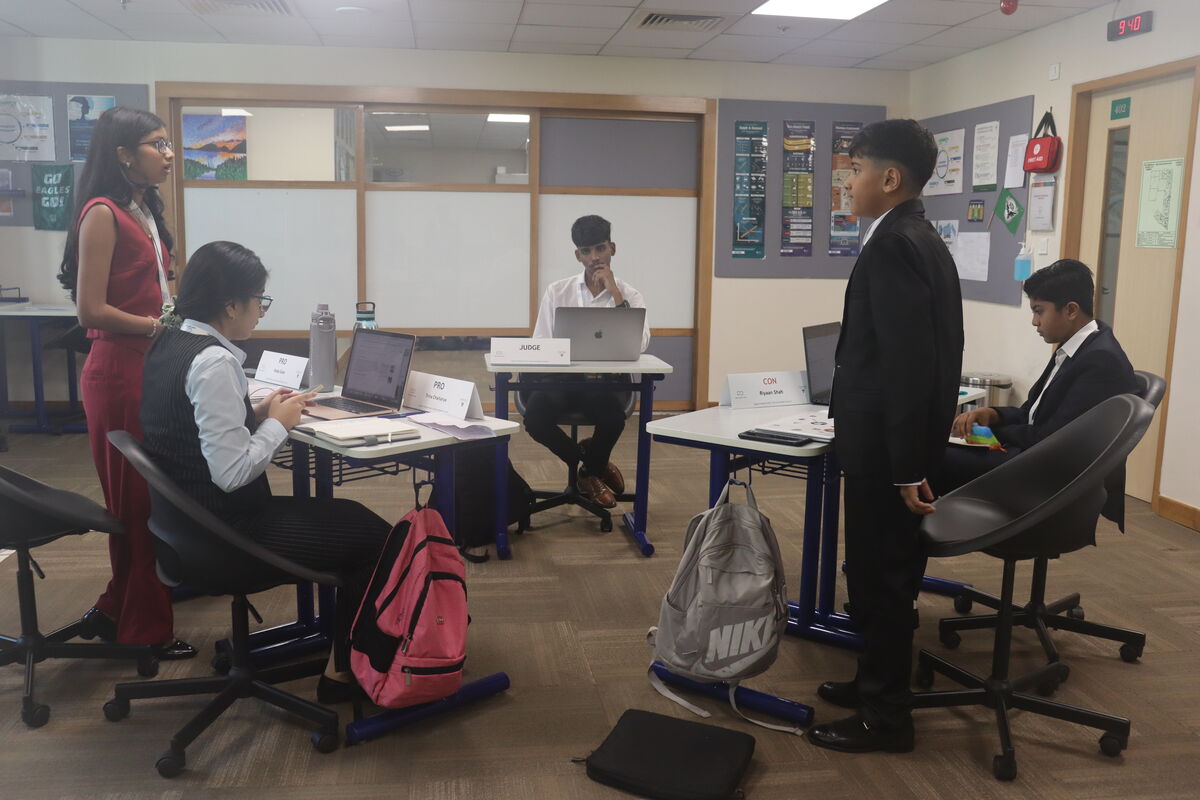
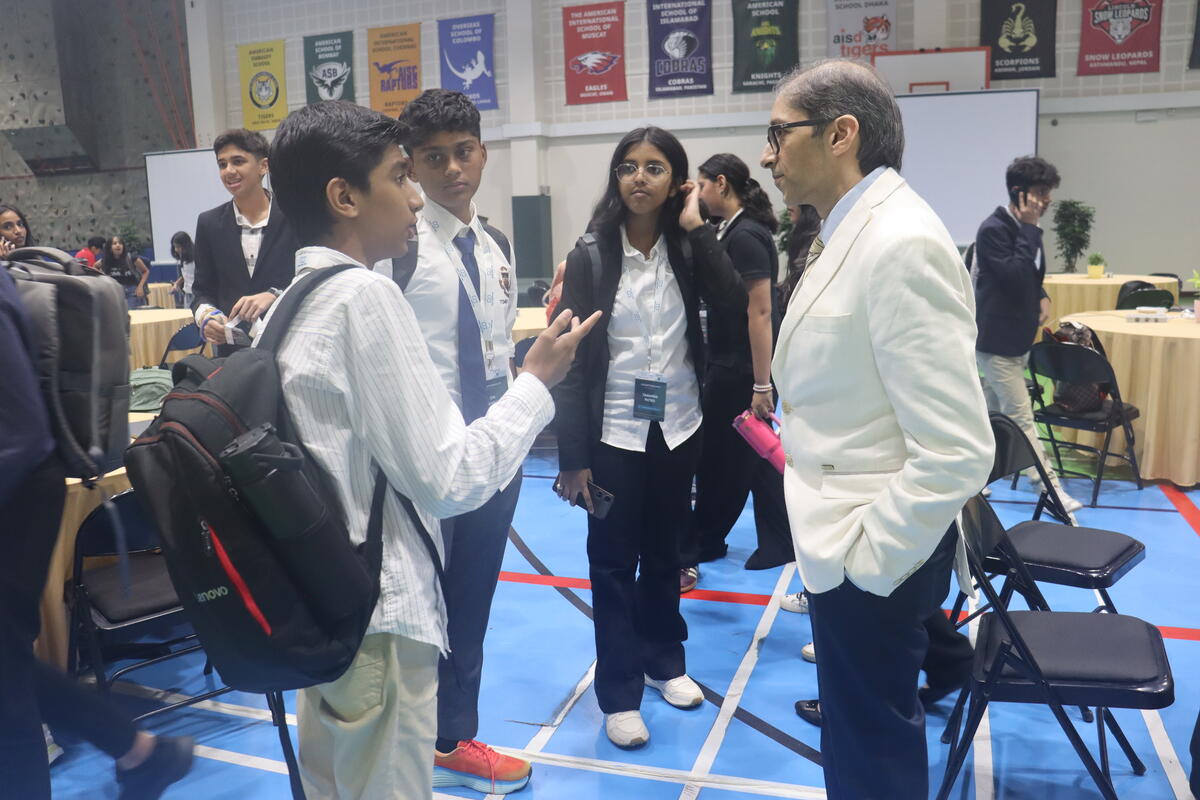
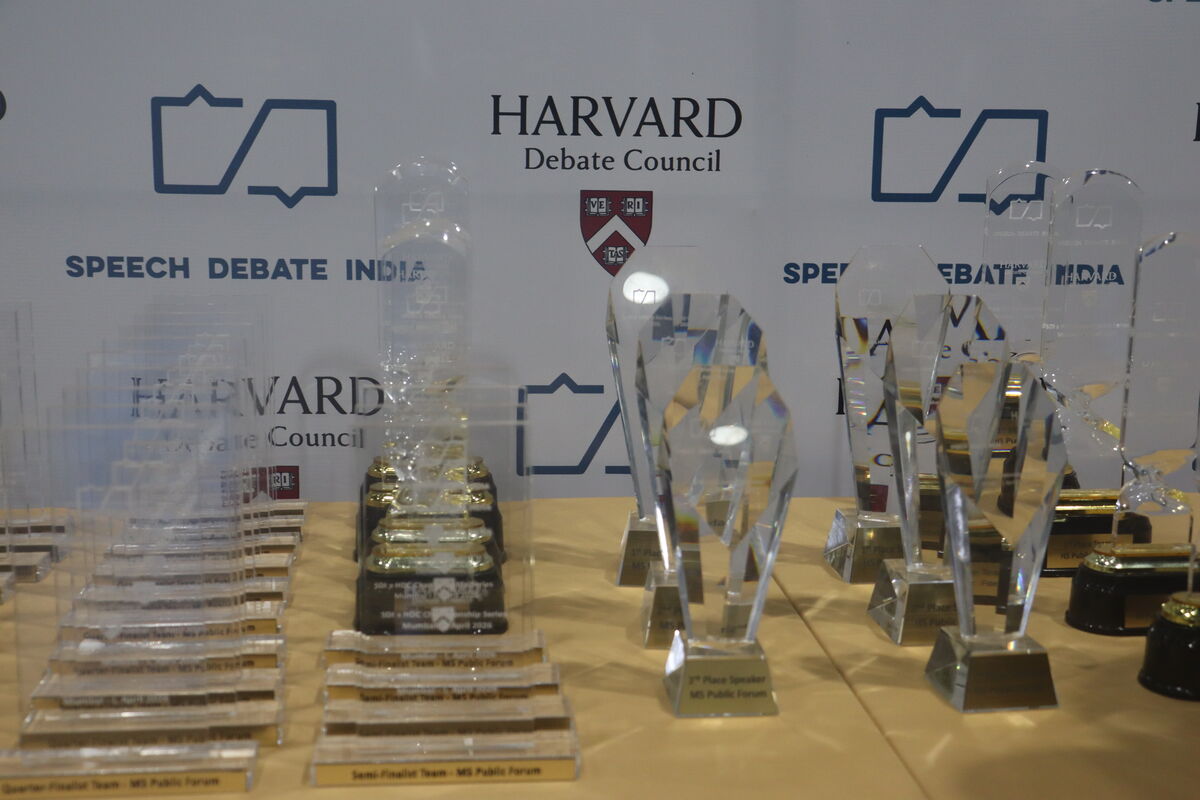
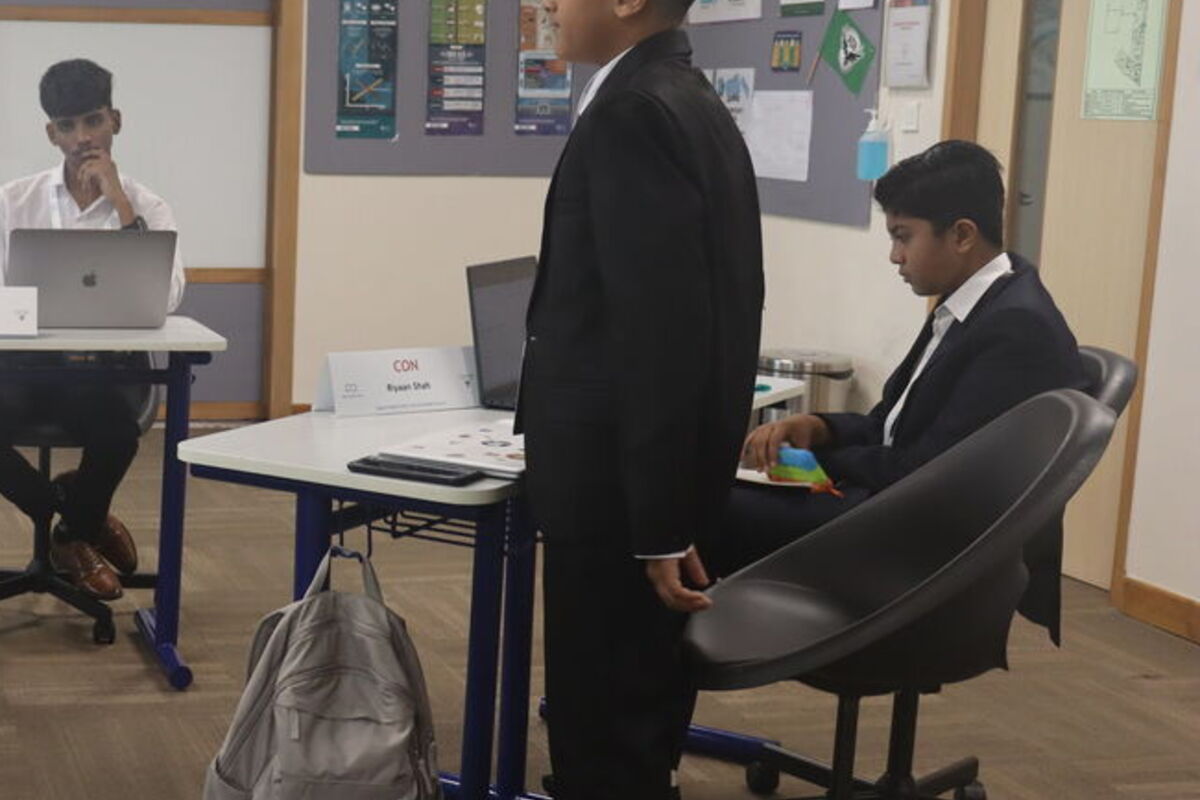
SDI × HDC Debate Experience, Mumbai, April 2026
Championship students receive a preparation pack in advance to work through at their own pace. Growth students build debate readiness through the first-morning workshop. The earlier you register, the earlier you can start preparing!
We'll provide a starter pack of materials to help reinforce format rules and speaking order, along with sample cases and topic evidence!
Day 1, attend our special, live in-person debate prep and topic sessions with Mr. Kacholia, enjoy fun debate games, and engage in a practice debate!
The Summer Program consists of three regional events across Delhi, Bangalore, and Mumbai, with continuing pathways toward the SDI HDC Championship Finals. Each event is independently designed to be rewarding for student intellectual growth.
These are not one-off events. This is a long-term intellectual pathway.
Ready to reserve your spot?
Register NowOur country has no shortage of 'elocution' opportunities. What's missing is a global standards championship pathway in research-based debate.
| THIS IS NOT | THIS IS |
|---|---|
| Opinion-Based | Evidence-Based |
| Impromptu Speaking | Comprehensive Research |
| MUN / Parliamentary | US Research-Based Debate |
| Performance Focused | Academic Depth & Structured Reasoning |
| One-Sided Advocacy | Debating BOTH Sides |
You prepare BOTH SIDES of every issue. That develops balanced perspective.
US Research-Based Debate is the most widely adopted high school debate format in the United States, built around research, evidence comparison, and structured rebuttal.
Want the full prep pathway + tournament experience?
Register NowAn hour to learn. Years to refine. A lifetime to apply leadership skills.
PRO SIDE
2 STUDENTS
CON SIDE
2 STUDENTS
US Research-Based Debate topics go far beyond “politics”: students learn to think across economics, business, technology, and global strategy.
Students prepare BOTH sides of every issue, and either side can go first, a level playing field that builds genuine critical thinking.
US Research-Based Debate builds durable skills in research, evidence comparison, and structured rebuttal. Over time, those habits translate into clearer thinking and more persuasive communication.
Research demonstrates there is no other academic activity that stimulates a child's development across so many core intellectual and life skills simultaneously.
Evaluating sources, identifying bias, constructing evidence-based arguments. Students learn to distinguish credible research from misinformation.
Building logical frameworks, anticipating counterarguments, strategic weighing. The discipline of structured thinking becomes second nature.
Clear articulation, time management, responsive engagement. Students develop confidence not through performance tricks, but through intellectual mastery.
Arguing both sides develops perspective-taking and balanced judgment. You cannot truly understand an issue until you can defend the opposing view.
Not as performance exercises, but as byproducts of genuine intellectual depth. True confidence comes from knowing you've done the research.
Top universities prioritize research literacy, critical thinking, structured reasoning, and confident self-expression, exactly what this format develops.
Five Pillars of Structured Cognitive Leadership
Most of the students at every event have never debated competitively before. That is exactly why we built the Growth Track, for thoughtful children who want the full Competitive Track experience without wins, losses, or eliminations. New: top-performing Growth Track teams now take home their own SDI × HDC trophies. You still receive the official SDI × HDC event certificate, and your early debate experience counts toward building national-level rankings over time. Grow at a comfortable pace.
On Day 1 your child learns the format directly from Mr. Kacholia. On Days 2 and 3 they debate real rounds with debrief sessions with Mr. Kacholia, not eliminations. They receive the same materials, the same workshop, and the same feedback as Competitive Track students.
Many of our strongest national-level debaters began in the Growth Track.
Register for Growth Track ›Students in Grades 4-12, divided into three divisions: Grade 4-5 (ES), 6-8 (MS), and 9-12 (HS). Students compete within their division. Students from across India and international locations are eligible to participate. Teams may be from different schools and cities. SDI teammates very often work across local schools, other cities, and countries, building connections with students nationally and abroad that extend well beyond the tournament.
Yes. Every event is hybrid, so students who live outside the host city, or who simply cannot travel, can take part fully online and still get a very similar tournament experience overall: the same warm-up workshop, the same debate rounds against the same field, the same coaching debriefs and feedback, and the same recognition. Online participation is also a more economical way to take part, since it does not include the venue and meals. We have offered this flexibility across many of our cohorts and are very glad to extend it, so that distance is never the reason a keen student has to miss out.
No experience needed, and you can choose either a competitive or a gradual, non-competitive growth option that's great for beginners. SDI is the first in India to introduce this option leveraging years of experience through Mr. Kacholia's courses. We offer two tracks for the championship tournament days:
Growth Track (FC Live): Students participate in structured debate rounds and receive group coaching debriefs with Mr. Kacholia. No wins or losses. The focus is on applying skills, gaining real experience, and growing at your own pace.
Competitive Track (GC Live): Competitive divisions with rankings.
Both tracks include the complete experience: a preparation pack provided in advance, the Day 1 Workshop, the championship rounds, judge feedback, and an official SDI × HDC certificate.
Workshop learning and tournament experience build on each other. Skills taught in the Workshop gain depth through application in real rounds, and the experience of debating sharpens what students take away from future classes and workshops. Each reinforces the other. The Growth Track gives your child this complete learning cycle in a supportive, non-competitive, long-term environment.
Absolutely. US Research-Based Debate is not about being loud, it is about being clear. Introverts over a longer period of time often develop into some of the strongest evidence-based debaters at a national and global level. Many of our most successful debaters have been highly introverted and found power in prepared argumentation rather than other formats that often reward impromptu styles.
The structure of US Research-Based Debate supports thoughtful students. Research and evidence matter more than charisma. US Research-Based Debate focuses on making you sharper, not louder. If your child prefers a non-competitive setting, our Growth Track offers structured rounds with group coaching debriefs with Mr. Kacholia but no wins or losses, designed for exactly this kind of student.
Yes. You may register individually and form a partnership later with another student seeking a partner in your eligible division. Our SDI mentorship interns will also help facilitate finding a partner.
The championship rounds run across the event's tournament days. For preparation: Championship students receive a preparation pack in advance to work through at their own pace, and all students build readiness in the first-morning workshop. Optional deeper research is available, 0-2 hours a week, for students who want to go further. We know many students have busy schedules, which is exactly why we've built the SDI Workshop (Day 1), designed to take students from zero to debate-ready in a single day.
Every event is priced at the same Rs. 5,500 per day plus GST, so the format sets the total, not a discount. School-year weekend events run 2 days (Rs. 11,000) and holiday-period events run 3 days (Rs. 16,500). This covers all tournament and preparation components: a preparation pack provided in advance (format guides, sample cases, and topic evidence), the Day 1 SDI Workshop, the Speech Debate India × Harvard Debate Council Championship rounds, breakfast, lunch, and snacks on each in-person day, feedback with SDI Insights, and an official Speech Debate India × Harvard Debate Council certificate for the event. Payment can be made by UPI/GPay/bank transfer (no additional fee) or by credit card/debit card/net banking (2% convenience fee).
Five completed events across Mumbai, Delhi, Bangalore, and Online in 2026. Click any event to view results and photos.
These events ran at our standard pricing of Rs. 5,500 per day. Photo galleries from each are being added.